
Speakers
Plenary/Keynote Speakers
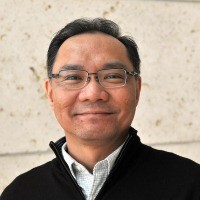
Dr. Teng-Leong Chew
Director of Advanced Imaging,
HHMI’s Janelia Research Campus, USA
Biography: https://www.janelia.org/people/teng-leong-chew
After obtaining a BS in Biochemistry at the University of Wisconsin-Madison, Chew went to St. Louis University to pursue his PhD, where he worked to understand the role of myosin II regulation in endothelial cells. Realizing that conventional biochemical methods could not address the spatial and temporal regulation of signaling pathways inside the cell, Chew embarked on his postdoctoral research in the laboratory of Rex Chisholm by developing fluorescent biosensor to simultaneously monitor the enzymatic activity and localization pattern of myosin light chain kinase in vivo.
In 2002, Chew became the director of the Center for Advanced Microscopy at Feinberg School of Medicine, Northwestern University in 2002, and led the facility to be recognized as one of the few selected Nikon Imaging Centers of Excellence in the world. At the same time, his lab began devising methods to engineer three-dimensional, lumenized vascular network capable of dynamic signaling read-out. This approach ultimately allowed Chew and his team to dissect the regulatory signals in the opposing endothelial cells during active tumor diapedesis – providing a rare glimpse into the signaling cascade during tumor invasion, not from the perspective of the cancer cell, but from the underlying endothelium.
In 2009, Chew was further appointed to the position of Director for University Imaging Resources at Northwestern, overseeing the overarching strategy in building integrated imaging infrastructure across all seven imaging centers and cores within the university.
Chew joined Janelia in 2014 to serve as the Director for the Advanced Imaging Center. Here, he leads the effort in building the unique collaborative imaging center that serves as the gateway through which the wider scientific world can access Janelia’s cutting-edge microscopy capabilities.
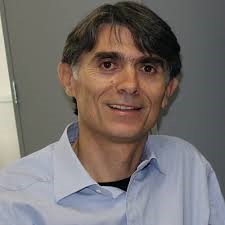
Prof. Ricardo Garcia
Ricardo Garcia applies a combined theoretical and experimental approach to develop advanced microscopes that combine high spatial resolution, quantitative analysis with the capability to manipulate molecules, materials and devices in the 0.1 to 100 nm length scale. A key feature of Garcia’s approach is that nanoscale control should be compatible with operation in technological relevant environments (air or liquids). He has contributed to the development of the most robust and common force microscope method (tapping mode AFM) used in research and technology. RG is the inventor of bimodal AFM. This is one of the most advanced methods to measure nanomechanical properties with sub-1 nm resolution. He has also contributed to the emergence and optimization of Scanning Probe Lithography. Some of his inventions have been commercialized. RG is the author of a book entitled Amplitude modulation AFM, Wiley-VCH (2010) with editions in English and Chinese.
Garcia has received several honours. The most recent is the Nanotechnology Recognition Award by the American Vacuum Society (2016). In 2013 he was awarded an Advanced Research grant by the European Research Council. He is a Fellow of the American Physical Society. Currently he is a Professor of Nanotechnology at Spanish National Research Council in Madrid.
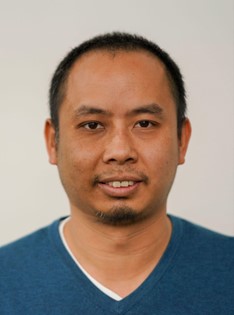
Assoc. Prof. Bui Khanh Huy
CryoEM Expertise in Biology,
School of Biomedical Sciences, McGill University, Canada
Biography: https://www.mcgill.ca/anatomy/khanh-huy-bui
Khanh Huy Bui is an Associate Professor in the Department of Anatomy & Cell Biology, at McGill University and Canada Research Chair Tier 2 in Structural Cell Biology since 2015. Bui has been a CIFAR Arzieli Global Scholar since 2017. Bui received his Ph.D in Molecular Biology and Biophysics from the Swiss Federal Institute Institute of Technology in Zurich, Switzerland and then did his postdoc at the European Molecular Biology Laboratory in Heidelberg, Germany
Bui is an expert in structure determinations of complexes and organelles ex vivo and in situ by cryo-electron microscopy and cryo-electron tomography. Bui’s research focuses on understanding the molecular mechanism of cilia function and cilia-related diseases through an integrated structural approach and technical innovation in electron microscopy.
Bui has authored over 50 peer-reviewed articles, of which many are high impact publications and has helped attract highly qualified personnel and prepared them for interdisciplinary research. Notably, Bui has been instrumental in uncovering the scaffold structure of the nuclear pore complex, the critical gateway regulating transport between the cytoplasm and nucleoplasm of cells. Moreover, his research has helped to shape the understanding of the complex cilia structure and its composition. Consequently, it leads to fundamental understandings of many conserved ciliary proteins encoded by primary ciliary dyskinesia genes, a rare disease affect the cilia motility in human. Bui has been funded through CIHR and NSERC grants. His collaborative researches with researchers from diverse fields such as bacteria conjugation system, Alzheimer, mitotic spindles has led to many publication, equipment funding and grants.
Professor Hing Hiang Lian
First City University College, Malaysia,
SEM expertise in Biology, Former Secretary of CAPSM, President of the Association of China and Southeast Asian Microscopy (ACSEAM)
Biography: https://firstcity.edu.my/first-city-university-college-quality-day-2024/
Dr Hing, formerly an Associate Professor at Universiti Kebangsaan Malaysia, holds a B.Sc. (Hons) and Ph.D in Microbiology from Universiti Kebangsaan Malaysia and a Postgraduate Diploma in Microbiology and Biotechnology from Kyushu University and Osaka University. Dr Hing has an illustrious engagement in scholarly activities, both locally and internationally. He has also contributed immensely in journals and proceedings. His other area of expertise is in Quality Assurance where he served as the Deputy Director/Director of Standard (2010 – 2012) of Malaysian Qualifications Agency (MQA) and as the MQA Expert Panel for the Medical & Health Science Programme Standard. Dr Hing is currently a Visiting Professor and Honorary Research Associate at the Centre of Electron Microscopy, Zhejiang University, and Honorary Life Members of Microscopy Society of Singapore and Microscopy Society of Thailand.
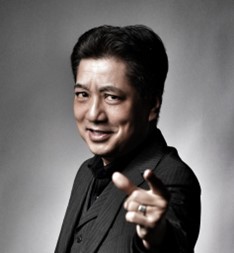
Prof. Dr. Nagai TAKEHARU
The University of Osaka, Japan
President of Biophysical Society of Japan
Biography: https://www.sanken.osaka-u.ac.jp/labs/bse/index-E.html
Takeharu Nagai is a Distinguished Professor at SANKEN, The University of Osaka, Japan. He is also a head of the Hyperdimension Life Imaging Division within the university’s Open and Transdisciplinary Research Initiatives. In addition, he currently serves as Chief Executive Officer of LEP Inc. He earned his B.A. in biology from University of Tsukuba in 1992 and completed his Ph.D. at The University of Tokyo in 1998 under the supervision of Prof Katsuhiko Mikoshiba, focusing on mammalian neural development.
Prof. Nagai's research centers on the development of cutting-edge bioimaging technologies. His work spans the creation of fluorescent and bioluminescent proteins to the engineering of innovative imaging systems, including the trans-scale-scope AMATERAS, which enables simultaneous observation of over one million cells at subcellular resolution. Leveraging these technologies, his laboratory is investigating extremely rare cells that may act as biological singularities within multicellular systems. He is also pioneering the development of light-emitting plants—a sustainable lighting solution that operates without electricity—aiming to contribute to climate change mitigation by reducing atmospheric CO₂ levels.
Prof. Nagai has received numerous prestigious awards, including the Shimadzu Prize (2025), the Paper Award from the Japanese Society of Microscopy (2023, 2020), the Nakatani Grand Award (2023), the Yamazaki-Teiichi Prize (2021), the Osaka Science Prize (2018), the Association Award from the Photobiology Association of Japan (2018), the JSPS Prize (2014), and the Kihara Memorial Foundation Academic Award (2012).
Outside the laboratory, Prof. Nagai enjoys visiting Shinto shrines, skiing, golfing, scenic drives through the countryside, drinking, and karaoke. He also cherishes engaging in scientific and entrepreneurial discussions over drinks.
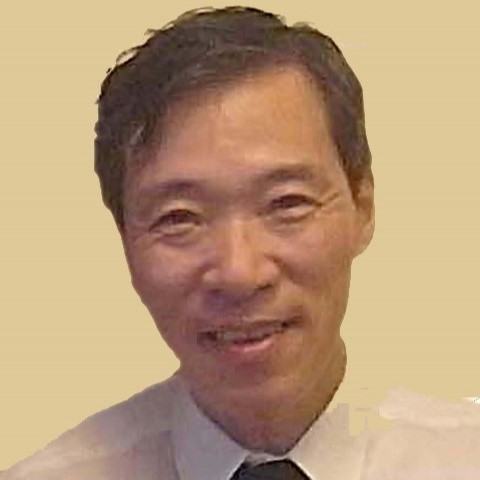
Dr. Eisaku KATAYAMA
Invited Research Scientist at Waseda University, Japan
Dr. Eisaku KATAYAMA was a Professor at the Institute of Medical Sciences, University of Tokyo, Japan, specializing in biophysics and electron microscopy. He received his M.D. and Ph.D. from the University of Tokyo, in Prof. Setsuro Ebashi’s laboratory.
After earning his doctorate, he spent time at Washington University, Saint Louis, with Prof. John E. Heuser to study Quick-Freeze Deep-Etch Electron Microscopy, and at the University of Pennsylvania with Prof. Frank Pepe, before returning to Japan. From that time, he worked as an Associate and then a Full Professor in the Department of Biomolecular Imaging at the Institute of Medical Sciences, University of Tokyo. After retirement in 2010, he moved to the Department of Applied Engineering in Chiba University and finally to the Department of Science at Osaka City University.
Throughout his career, he has been devoted to the development and application of novel and unique microscopy techniques, primarily to study molecular mechanisms of biological motors underlying various kinds of cell motility.
Dr. KATAYAMA's research on motility began from the structural analyses of actomyosin-sliding systems during muscle contraction. He introduced “Quick-Freeze Deep-Etch Replica Electron Microscopy” developed by Prof. Heuser, to directly visualize in situ physiological events by electron microscopy. Utilizing its advantageous features, he applied the same technique to several intra- and extra-cellular protein-assemblies, along with those of the other motility systems. He has also developed original image-analysis procedures to correlate the surface-profiles observed in replica images to those simulated from the crystal-structures of relevant protein-assemblies.
Aside from his work, a long-lasting hobby from his youth has been to take various kinds of astronomical pictures, especially those of rare occurrences. His pictures have, even recently, been published in a number of books and astronomical magazines. In his honor, an asteroid was named KATAYAMA (8527) for his contributions to astronomical photography.

Professor Ken Nakajima
Institute of Science Tokyo, Japan
Dr. Nakajima completed his doctorate in applied physics with the development and application of various types of scanning probe microscope (SPM) to polymeric materials at the University of Tokyo, Japan, under the supervision of Prof. Toshio Nishi, in 1997. After a post doctorate in RIKEN, Japan, he joined Tokyo Institute of Technology, Japan, in 2003, where he directed his research to the basic study of rubber elasticity and rubber reinforcement using atomic force microscope (AFM). This led to the development of AFM-based nanomechanics in 2005. In 2008, he moved to WPI-Advanced Institute for Materials Research, Tohoku University, Japan, as Associate Professor. Then, he was promoted to be Professor in Tokyo Institute of Technology from 2015, where he has continued the application of AFM nanomechanics to various types of polymeric materials including thermoplastic elastomers and plastics as well as rubbery materials. In 2013, he succeeded to develop nanorheology AFM, which enables us to visualize nanoscopic dynamic properties such as loss tangent at the interface between rubber and filler. Since this October, his affiliation changed its name to Institute of Science Tokyo. He published 209 papers with 5,242 citations, which results in the h-index of 38.
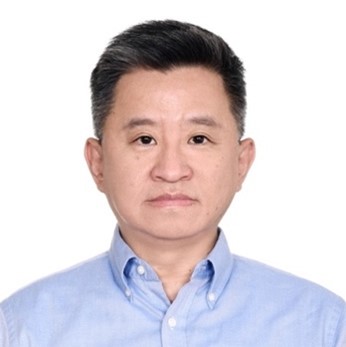
Prof. Ian Liau
Department of Applied Chemistry, National Yang Ming Chiao Tung University (NYCU)
1001 University Road, Hsinchu 300, Taiwan
Biography: https://ianliaulab.weebly.com/
Ian Liau is a Professor in the Department of Applied Chemistry and jointly appointed in the Department of Biological Science and Technology at National Yang Ming Chiao Tung University (NYCU), Taiwan. He received his Ph.D. in Physical Chemistry from the University of Chicago. Prof. Liau’s research bridges biophysical and bioanalytical chemistry, biomedical photonics, and translational medicine. His laboratory develops and applies advanced imaging and spectroscopic platforms to elucidate molecular interactions and dynamic processes in both model and living systems. Current research focuses on peptide–membrane interactions, nanomedicine for cardiovascular repair, and zebrafish models of cardiovascular and hypoxic–ischemic diseases. Beyond his research, Prof. Liau has actively contributed to national scientific development by serving as Discipline Convener for the Nanoscience and Technology, Chemistry, and International Collaboration disciplines of the National Science and Technology Council (NSTC).
rof., PI Clemens Cabernard
Professor of Biology, University of Washington, Seattle, USA.
Biography: https://www.biology.washington.edu/people/profile/clemens-cabernard
Clemens Cabernard received both his undergraduate and graduate degree - in molecular and developmental biology, respectively - from the University of Basel in Switzerland. For his postdoctoral work, he moved to the University of Oregon, where he worked on asymmetric cell division in the developing Drosophila melanogaster brain. In 2011, he moved back to the University of Basel to setup his independent research lab at the Biozentrum, University of Basel. In 2016, he returned to the Pacific Northwest, continuing his work on asymmetric cell division and mechanobiology at the University of Washington’s Department of Biology in Seattle.
The Cabernard lab is interested in the spatiotemporal dynamics and regulation of the cytoskeleton during asymmetric cell division, using both fruit flies and mollusk embryos as model systems. To that end, the lab is using advanced imaging methods, combined with molecular genetic approaches in vivo.
Clemens Cabernard received an SNSF-Professorship from the Swiss National Science Foundation, was selected for the Young Investigator Program of the European Molecular Biology Organization (EMBO-YIP) and was named an American Cancer Society Research Scholar.
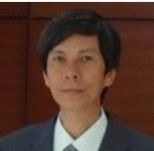
Assoc. Prof. Dr. Ly Quoc Ngoc
University of Science, Vietnam National University-Ho Chi Minh, Vietnam
Biography: https://orcid.org/0000-0003-4476-2456
Assoc. Prof. Lý Quốc Ngọc is the Head of the Department of Computer Vision and Cognitive Cybernetics at VNUHCM–University of Science (HCMC, Vietnam). He has been working in the field of Computer Science since 1995, with experience in Computer Graphics, Digital Image and Video Processing, Computer Vision, Machine Learning, Multimodal Deep Learning, Multimodal XAI, Generative AI, Medical Image Processing, Biomedical Image Processing.
He has published more than 70 papers in international journals and conferences, and actively contributes to the research community through publications, supervision, and collaboration.
His recent and ongoing funded projects include the Development of Multimodal Deep Learning Models for Diagnosing and Treating Bone-related Diseases (A2026, 2026–2028), Identifying and Rectifying Website Design Issues (2021-2022), Abnormal Human Activities Detection based on Skeleton (2019-2020), Vision-based Intelligent Services for Human Activity Monitoring (B2018-18-01, 2018–2021), Exploiting the visual information based on 3D Objects Reconstruction (B2014-18-02, 2014–2016), Human Behavior Recognition and Facial Modeling with Ageing and Expressions (B2012-18-21, 2012), and Multimedia Exploitation Systems for Vietnamese Language Processing (KC01.16/06-10, 2009–2010).
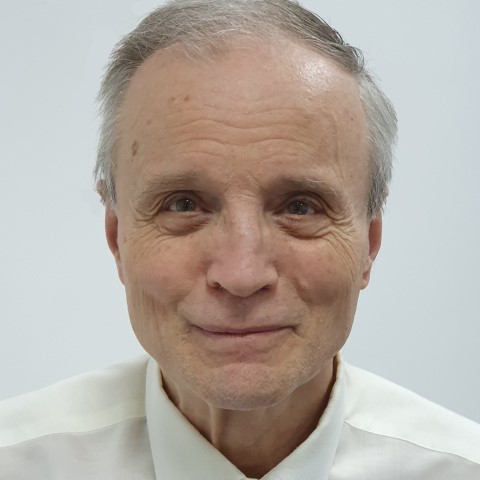
Prof. Dr. Ivan Vorobyev
School of Sciences & Humanities, Department of Biology at Nazarbayev University
Biography: https://scholar.google.com/citations?user=ODdduT8AAAAJ&hl=en
Prof. Dr. Ivan Vorobyev is a prominent Professor in the Department of Biology at Nazarbayev University (NU) in Astana, Kazakhstan, specializing in cell biology, histology, and cancer diagnostics. He earned his Ph.D. in Dept. of Cell Biology and Histology, Moscow State University. Since that he held research positions at A.N. Belozersky Institute for Physico-Chemical Biology, Moscow State University and for many years continued research on the centrosome structure and dynamics of microtubules. He described in detail centriole fine structure (1980) and relationship between centriole cycle and cell cycle (1982). Together with D. Zorov he discovered in 1983 mitochondria fragmentation. He earned Doctorate of Sciences degree in Cytology in 1989. In 1997 described free microtubules as ubiquitous part of cytoskeleton in animal cells. He supervised more than 15 graduate students and was advisor for 10 Ph.D. thesis. In 1988-2015 he was PI on 14 grants from Russian Basic Science Foundation. In 1998-2012 he was Head of the Laboratory of Functional Morphology of Hemoblastoses, Hematology Research Center (Moscow). Since 1995 he was appointed as Professor at the Dept. of Cell Biology and Histology (Moscow State University) teaching courses on Cell Biology, Cytoskeleton, Digital and Confocal Microscopy, Flow Cytometry
Invited Speakers
 |
 |
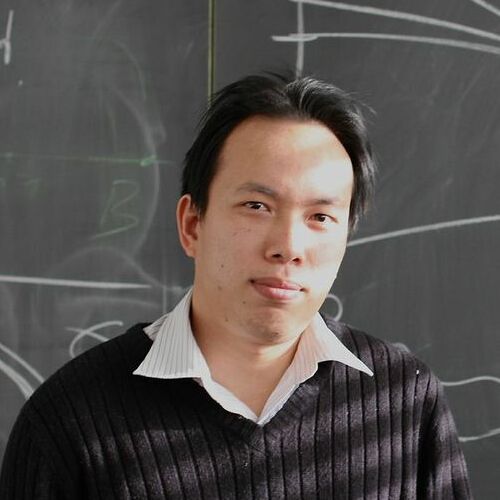 |
| Assist.Prof.Dr. Ngo Xuan Kien AFM Expertise in Structural Biology WPI Nano Life Science Institute, Kanazawa University, Japan |
Assoc.Prof.Dr. Tran Quang Huy TEM Expertise in Infectious Diseases and Nanomaterials Phenikaa University, Vietnam |
Assist. Prof.Dr Pham Thanh Tri AFM and Confocal Microscopy Expertise in Biology Nazarbayev University, Kazakhstan |
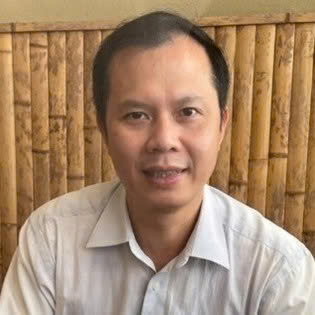 |
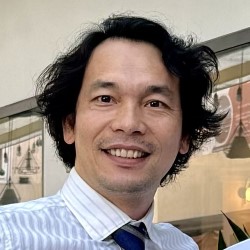 |
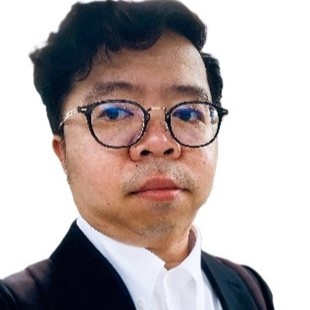 |
| Assist.Prof. Dr. Nguyen Kim Hung AFM Expertise in Materials Science Institute of Science Tokyo, Japan |
Assoc.Prof. Dr. Phan Thanh Hai Quy Nhon University, Vietnam |
Assist.Prof. Dr. Mai Thanh Tâm Kyoto University |
 |
 |
 |
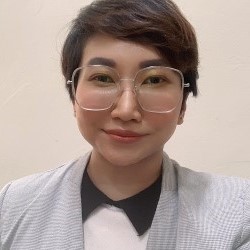
| Dr. Siti Hawa Ngalim Universiti Sains Malaysia, Malaysia |
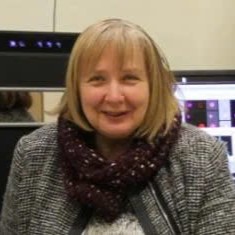
Prof. Dr. Natalie S.Barteneva School of Sciences and Humanities, School of Sciences and Humanities, Department of Biology |
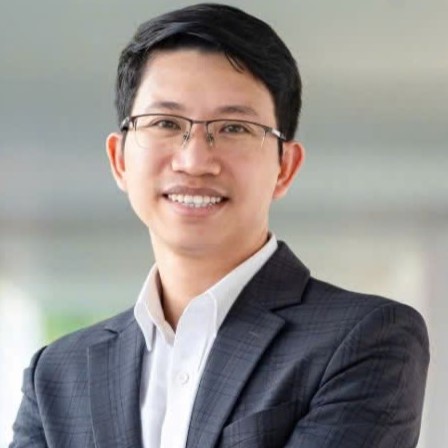
Assoc. Prof. Dr. Nguyen Viet Huong Phenikaa University |
 |
 |
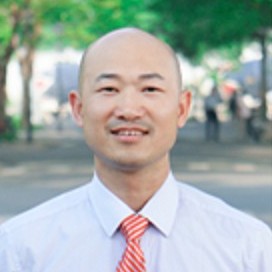 |
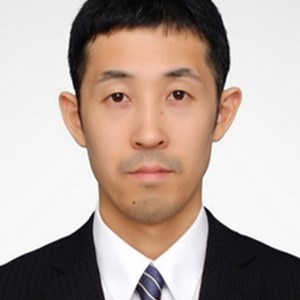
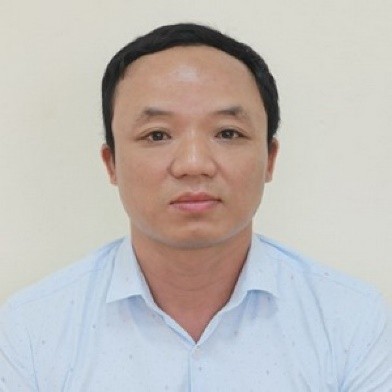
| Assist.Prof.Dr. Hayato Yamashita Center for Science and Technology under Extreme Conditions, Graduate School of Engineering Science, Osaka University |
Assoc. Prof.Dr. Pham Hung Vuong School of Materials Science and Engineering, Hanoi University of Science and Technology, Vietnam |
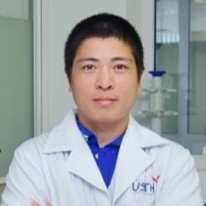
Dr. Hoang Duc Quang Faculty of Applied Sciences, HCMC University of Technology and Engineering |
 |
 |
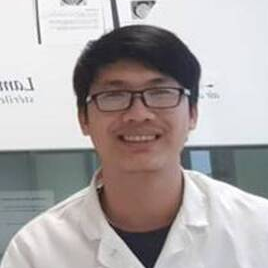 |
| Dr. Trinh Duy Chi University of Science and Technology of Hanoi, Vietnam |
Dr. Nguyen Thi Phuong Nhung Petrovietnam University, Ho Chi Minh city, Vietnam |
Dr. Nguyen Anh Dung Hanoi University of Industry, Vietnam |
 |
||
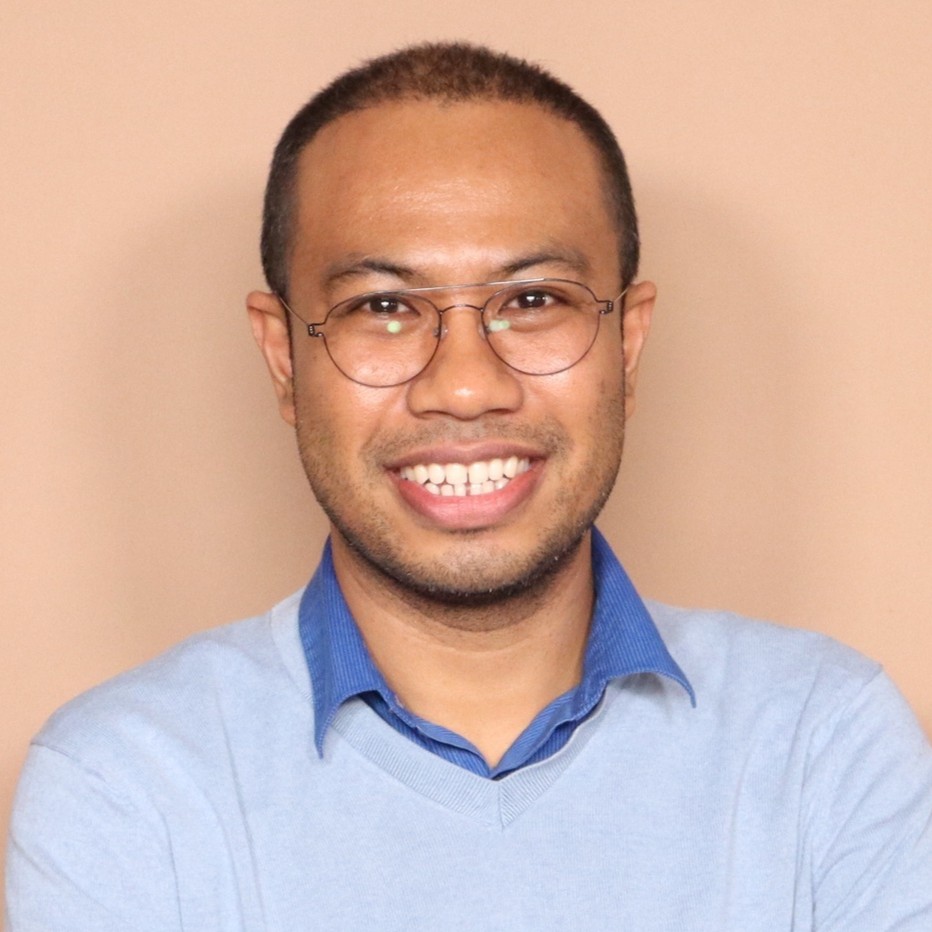
| Assist. Prof. Dr. Witchukorn Phuthong Kasetsart University, Bangkok, Thailand |